|
Glen Scotia
Distillery has collaborated with
Document Scotland photography collective
to capture the history and heritage of
Campbeltown, these images
from the past and present have been unveiled in an
interactive online photographic
exhibition as part of the Glen Scotia
Virtual Malts Festival 2021.
A photographic exhibition showcasing
the history and heritage of Campbeltown
has was unveiled this week as part of
the Glen Scotia Virtual Malts Festival
2021.
Campbeltown was the whisky capital of
the world in the Victorian era and as
one of only three surviving single malt
whisky distilleries located there today,
Glen Scotia has collaborated with
Document Scotland to shine a spotlight
on the town’s whisky-making legacy.
A collective of three Scottish
documentary photographers, Document
Scotland share a vision to witness and
photograph the important and diverse
stories in Scotland. Through the
partnership with Glen Scotia, Sophie
Gerrard, Colin McPherson and Jeremy
Sutton-Hibbert have captured modern-day
photography of Campbeltown by exploring
the themes of People, Place and Process,
to tell the story of Glen Scotia and
Scotland’s fifth malt-producing region.
Combined with historic photography of
the distillery and the region, these
captivating images from the past and the
present are featured in an interactive
online gallery to celebrate
Campbeltown’s contribution to Scotch and
uncover Glen Scotia’s long, rich
history.
Iain McAlister, Master Distiller and
Distillery Manager at Glen Scotia, said:
"Since 1832, Glen Scotia has been shaped
by the people, time and events; as well
as the history of Campbeltown itself,
and this remarkable Document Scotland
photographic exhibition brings our
unique whisky history and heritage to
life. Our single malt reflects centuries
of craftsmanship and experience
associated with the region and is
renowned for its Campbeltown character."
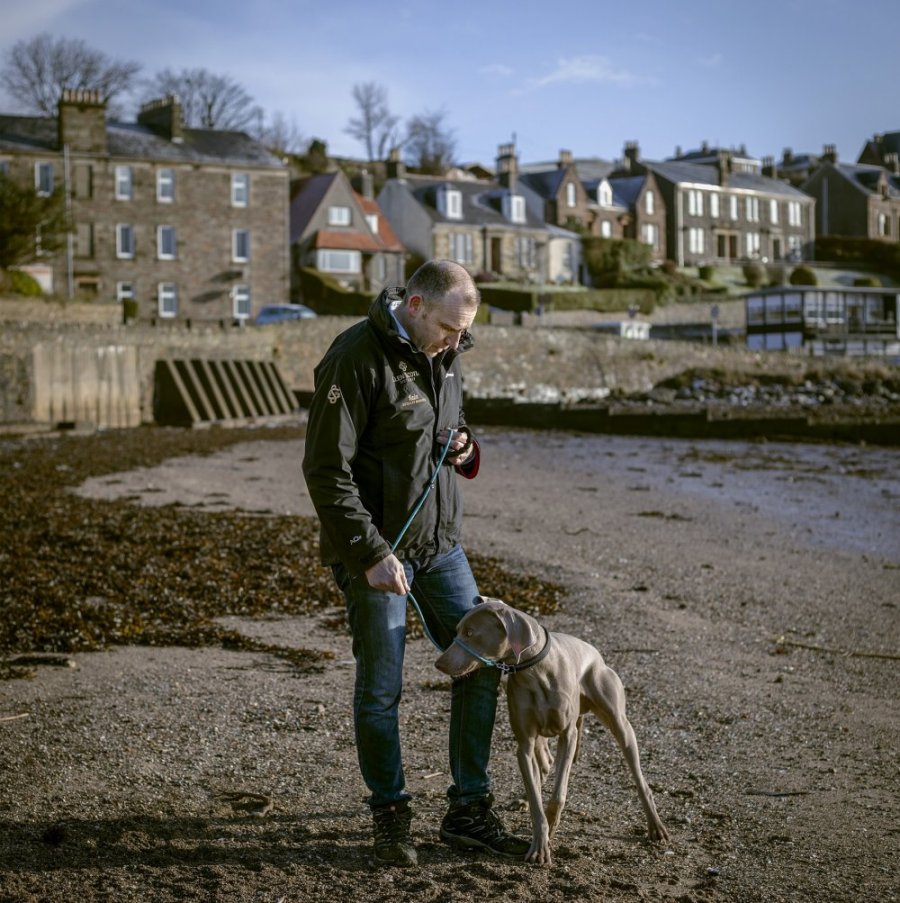
Photographer Sophie Gerrard focused on
the ‘People’ who could tell the story of
whisky in Campbeltown. From those who
work at Glen Scotia to the farmer who
collects the draff to feed his cattle,
and from those descended from the ‘big
three’ whisky families of history to the
new generation of young people making
their lives and livelihoods from whisky
in Campbeltown. Using her method of
environmental portraiture, she
photographed these people in their
homes, at the distillery and in the
hills and streets around the town, each
of them connected in some way to the
unique heritage of Campbeltown.
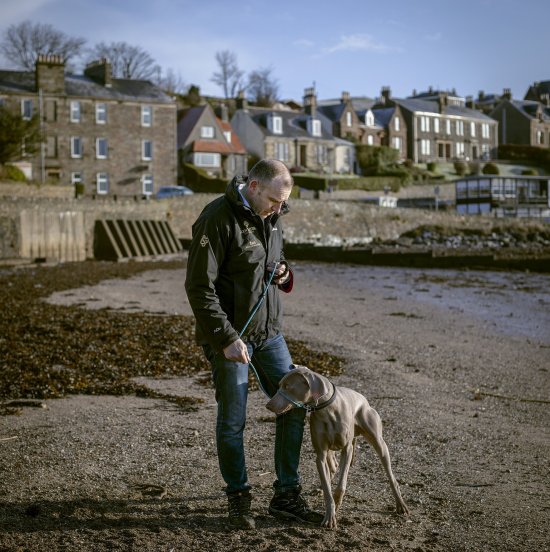 Sophie said:
"As a photographer I’m always interested
in the people behind the story and for
this project to make a series of
photographic works about Glen Scotia and
the unique story of whisky in
Campbeltown, I turned to the individuals
which make this whisky so special. Each
character has an individual story and a
distinct connection to the past and the
future of whisky in Campbeltown."
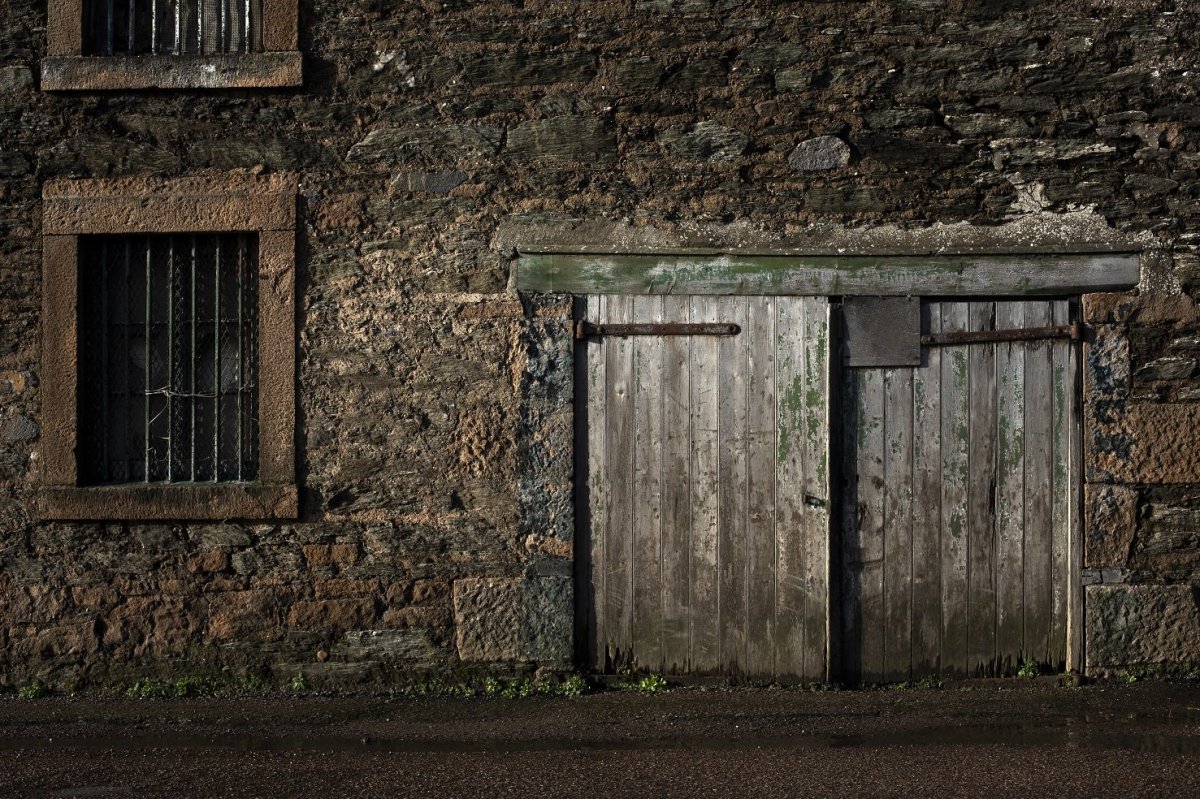
Photographer Colin McPherson captured
the theme of ‘Place’ around Campbeltown,
taking his inspiration from the
connections between the town today and
its past. He looked for remnants of the
‘Whiskyopolis’ boomtown of old and set
these in the context of modern-day
Campbeltown, using the intense colours
and light presented so dramatically by
an Argyll winter and the town’s
architecture to make a series of images
which transcend time.
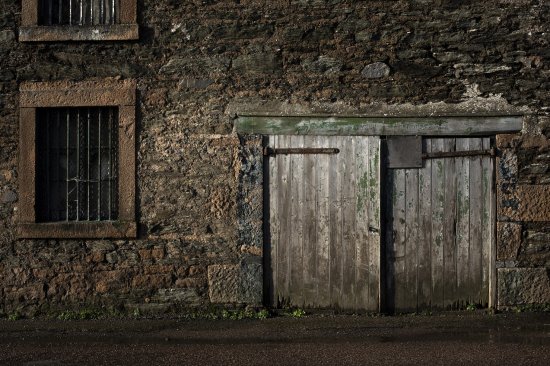 Colin said:
"Campbeltown has a special connection
with whisky distilling, and it was
fascinating to see so many traces of
‘Whiskyopolis’ - from disused
warehouses, old gates and fences to
buildings which are now used for other
purposes. There is still a distinctive
atmosphere in Campbeltown, one which
evokes the past. A lot of this comes
from the Glen Scotia Distillery, which
is a living and breathing reminder of
the town’s heritage, but one which is
very important to its status today and
for the future."
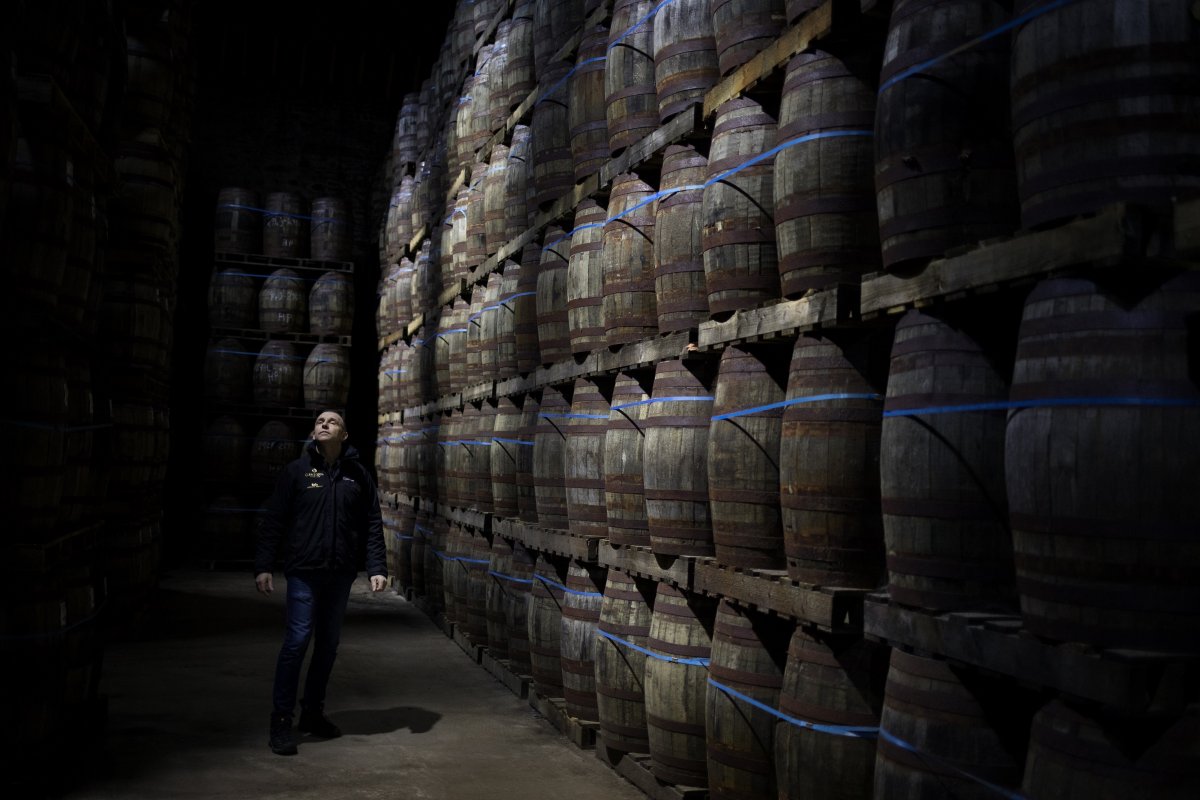
Photographer Jeremy Sutton-Hibbert
captured the daily lives of Glen Scotia
employees and the patient ‘Process’ of
distilling new-make spirit to fill into
casks. His photographs illustrate the
passion and human touch of the men and
women for their craft, their immediate
environment, the spirit and the
all-important casks, which all bring
unique ingredients, vital elements and
distinctive flavour to the final
whiskies.
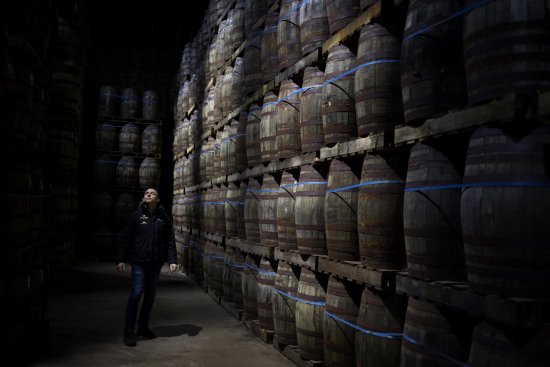 Jeremy said:
"As photographers we are passionate
about our craft, waiting for the right
light, looking for the perfect angle and
bringing years of experience to every
photograph we take, even though it may
only be a fleeting moment we capture.
This is mirrored at Glen Scotia and we
found a perfect partner in the
distillery, where Iain McAlister and his
team bring passion and years of
experience to their craft, to create
exquisite single malts. This
collaboration is a meeting of minds
between two teams of modern Scottish
craftspeople, aware of their place in
contemporary Scotland, but also of the
history that has gone before them."
Campbeltown was once known as
‘Spiritville’ or ‘Whiskyopolis’ and at
its peak in the Victorian era, there
were around 30 legal distilleries
operating in a town with a population of
only 9,000. The unique photographic
exhibition forms part of this year’s
Glen Scotia Virtual Malts Festival,
which will welcome thousands of whisky
fans from across the globe to experience
a range of online tours and tastings
from the distillery.
Glen Scotia 25 Years Old single malt was
recognised as the ‘Best in Show Whisky’
at this year’s San Francisco World
Spirits Competition, with judges
awarding it as the overall winner of the
competition, and therefore the best
whisky in the world in 2021.
You will find the Glen Scotia whisky
range
available from specialist online whisky
retailers such as
The Whisky Exchange,
Amazon
and
Master of Malt
|